Your cart is currently empty!
Car Loan
Why Car Loan From Us?
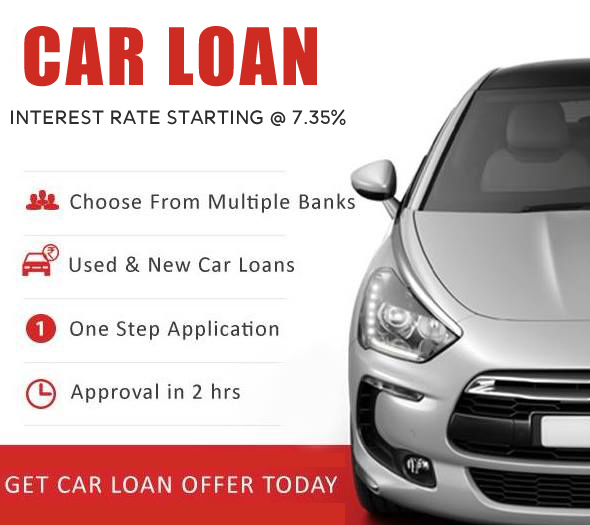
- No Experience Required for Eligibility.
- Loans up to ₹50 lakh for purchasing a new or used car.
- Lowest ROI and processing fees or “NIL” processing fees.
- Get up to 90% of the car’s value for eligible profiles.
- No income proof required for certain cases.
- Loans available for low or no CIBIL score profiles.
- Approvals based on past repayment track records.
- Minimal documentation with the fastest approval guaranteed.
- No hidden charges and excellent after-sales service.
Documents List
- Property Documents
- Loan Documents
- Bank Statements
- Income Documents
- KYC Documents
KYC Documents
- Pan Card
- Aadhar Card
- Voter ID Card
- Passport
- Latest Month Electricity Bill
- Copy of Rent Agreement
- Copy of Registered Lease Deed
- Employee ID Card
Income Documents
- Latest 3 months salary slip
- 3 years form-16, 26AS, ITR with computation of Income
- Annual CTC Letter
- Copy of Appointment Letter
Bank Statements
- One year up to date salary account statement
Need Help?
- You may take expert advice of MYBANKEY professional consultants who will help you to choose best bank who offers you lowest rate of interest on Loan against property with ZERO / nominal bank processing fees.
Loan Documents
- Copy of Sanction Letter
- Up to date loan account statement
- Loan repayment schedule
- 12 Month up to date bank statement
showing repayment of the loan - Loan closure proof if loan is closed
Property Documents
- Copy of Agreement to Sale (ATS)
- Copy of previous chain of property papers

What is a Car Loan?
A car loan is a type of financing provided by banks or financial institutions to help individuals purchase a new or used vehicle. It allows you to borrow a certain amount to buy a car, which you repay in installments, usually over a period of 1 to 7 years. The loan amount, interest rate, and repayment terms depend on factors like the car’s value, your credit score, and income.
Frequently Asked Questions About Housing Loans
A car loan is a type of financing where you borrow money from a bank or financial institution to buy a car. The loan is paid back in installments with added interest. This helps you purchase the vehicle without paying the entire amount upfront, and the loan term can vary based on your agreement.
Yes, car loans are available for both new and used vehicles. However, for used cars, the interest rate may be slightly higher, and the loan amount may depend on the car’s age, condition, and market value. The eligibility criteria may also vary based on the lender’s policies.
The loan tenure for car loans generally ranges between 1 to 7 years, allowing flexibility based on your financial capacity. A longer tenure results in smaller monthly payments but higher interest, whereas a shorter tenure means higher payments but lower overall interest.
Documents needed typically include your identity proof (Aadhaar card, PAN card), address proof (utility bill, passport), income proof (salary slips, bank statements), car details (registration, invoice), and sometimes guarantor details. The lender may also require additional documentation based on specific policies.
Interest rates for car loans usually range from 8% to 12%, depending on factors like your credit score, the car’s age, and the financial institution’s policies. A good credit score can help you secure a lower rate, while a poor credit score may lead to higher rates.
Yes, car loans can be approved with a low CIBIL score, though the loan terms may not be as favorable. You might face higher interest rates, and the loan amount could be lower. Some lenders may also ask for a higher down payment to mitigate the risk.
Yes, most car loans require a down payment, which typically ranges between 10% to 20% of the car’s price. The down payment reduces the loan amount and helps lower the lender’s risk. The more you pay upfront, the lower your monthly installments will be.
Loan eligibility is determined based on factors such as your credit score, monthly income, debt-to-income ratio, age, and employment stability. Lenders may also assess the car’s value and condition for used car loans. They review your overall financial stability before approving the loan.
Yes, many lenders allow prepayment of the loan. However, they may charge a prepayment penalty, which can vary by institution. It’s important to check the loan agreement and understand the terms and charges for early repayment to avoid unnecessary fees.
Car loan approval generally takes a few days to a week, depending on the lender’s process and documentation verification. If you submit complete and accurate documents, the approval process is typically quicker. However, delays can occur if additional verification is required.
Car Loan Application Process:
Eligibility Check: Ensure you meet the lender’s requirements, including age, income, and credit score criteria.
Document Submission: Provide necessary documents such as ID proof, address proof, income proof, and car details.
Loan Application: Fill out the application form with correct details about yourself and the car.
Loan Approval: The lender will evaluate your documents and creditworthiness before approving the loan.
Disbursal: Once approved, the loan amount is disbursed, and you can proceed with purchasing the car.